Commercial Fire Extinguisher Range
Fire extinguishers need to be placed strategically at every commercial premises and they should be appropriate to the fire types you're most likely to face. Our fire risk assessment can help you identify the number, placement and types of fire extinguishers you need to ensure you're ready to fight fires appropriately should the worst happen.
We offer a full range of commercial fire extinguishers which can be placed appropriately to ensure you're always ready to extinguish fires at the source before it has the chance to spread. From a dry powder fire extinguisher for electrical fires involving electrical equipment in offices to co2 fire extinguishers for flammable liquid fires - you need to understand what you need and when you need to use it.
Take a look at our range of fire extinguishers below and book a fire risk assessment with us and we'll help you develop a fire action plan that puts your site's safety first.
Want to learn more about the different fire extinguisher colours? Why not read our blog below:
-
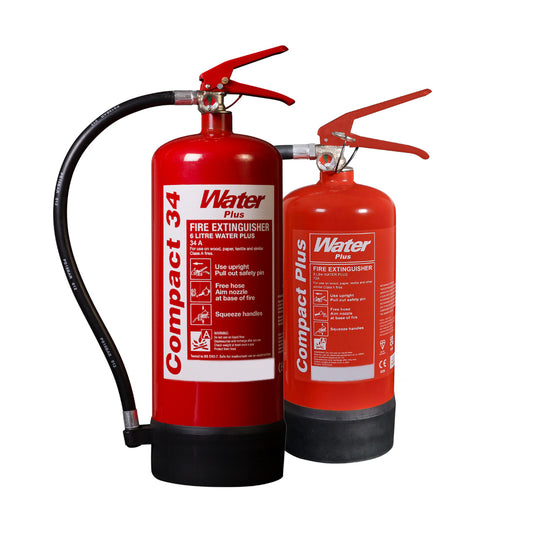
FireShield Water Additive Fire Extinguisher
Regular price From £25.79Regular priceUnit price / perSale price From £25.79Sold out -
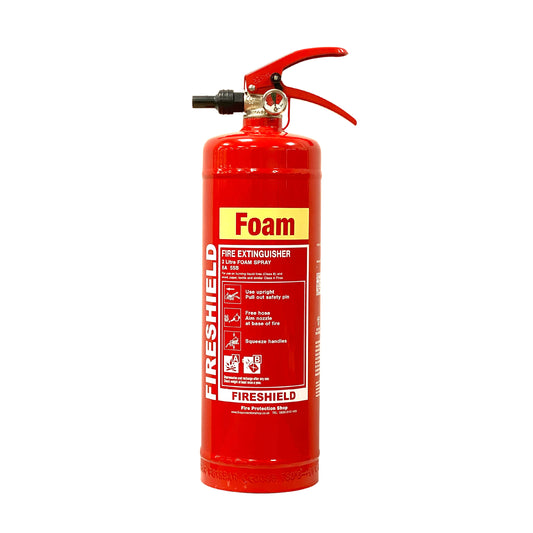
Sold outFireShield Foam Fire Extinguisher
Regular price From £17.99Regular priceUnit price / perSale price From £17.99Sold out -
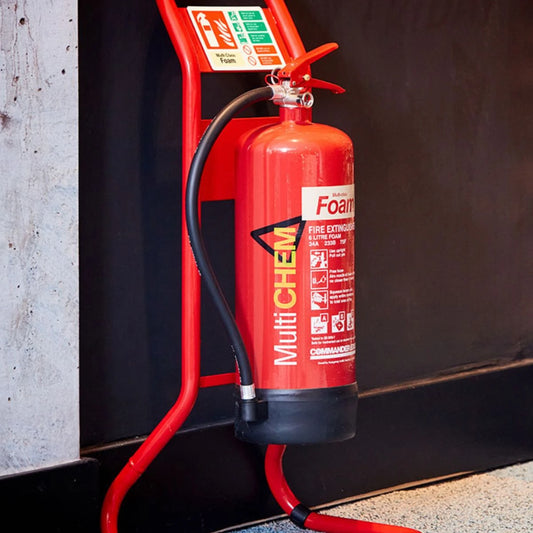
FireShield Multi-Chemical Fire Extinguisher
Regular price From £27.59Regular priceUnit price / perSale price From £27.59Sold out -
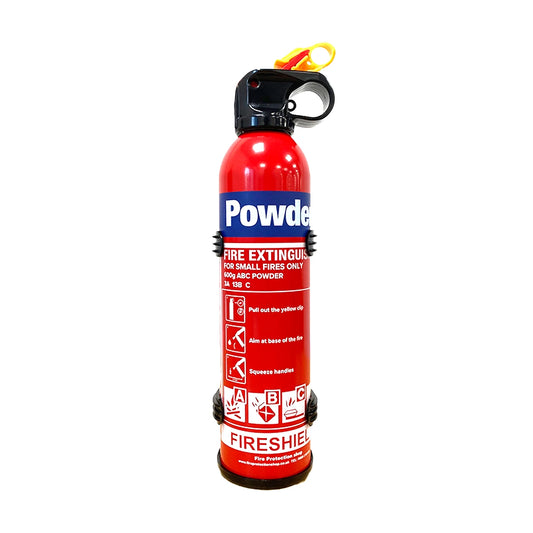
FireShield ABC Dry Powder Fire Extinguisher (Aerosol)
Regular price £8.27Regular priceUnit price / perSale price £8.27Sold out
Commercial Fire Extinguisher FAQs
What are the different types of fire extinguishers?
At Barbon Fire Protection we offer the following portable fire extinguishers:
- Water Additive fire extinguishers
- Foam fire extinguisher
- Multi-chemical foam fire extinguishers
- ABC dry powder extinguishers
Each can be used in unique circumstances for class a fires, class b fires or class c fires.
What fire extinguisher is for class a fires?
Class a fires involve ordinary combustibles such as wood, paper, cloth and textiles. All of our extinguishers above should be suitable to class a fires, though some are more effective than others. Water, foam, multi-chemical foam and powder extinguishers can all be used on solid materials that are on fire, typically associated with class a fires. However, water extinguishers are usually the preferred method as it's most effective at smothering the fire and cooling at the same time.
What fire extinguisher is for class b fires?
Class b fires are fires involving flammable liquids or combustible liquids such as petrol, oil, paint and solvents. The most effective fire safety equipment here is usually a foam extinguisher - regular or multi-chemical - as they're designed specifically to smother the fire and cut off oxygen. Dry powder extinguishers are also suitable here as they soak up the flammable liquid whilst extinguishing the flames. Water based extinguishers aren't suitable, especially in commercial kitchens where oil fires are possible.
What fire extinguisher is for class c fires?
Class c fires are rarer in commercial settings but are still a real risk in some industrial settings. These are fires involving flammable gases such as LPG, methane and propane. Water and foam based fire extinguishers should NEVER be used for class c fires because they're ineffective. Instead opt for powder extinguishers such as our ABC dry powder extinguisher designed for all three fire types.
What are the best fire extinguishers for fires involving flammable liquids?
Proper fire protection where flammable liquids are present requires foam or powder extinguishers. Having the right fire fighting equipment is important, because wet chemical extinguishers (water based) can actually further increase fire risks. If you're fighting flammable liquid fires, remember foam or powder is best!
How many fire extinguishers do I need at my business?
That depends on the size of your premises and the unique fire challenges you're likely to face. You'll need to know where your greatest risks of fire are and ensure there is an appropriate fire extinguisher nearby. The best way to know is to have a thorough fire risk assessment carried out, and recommendations around the number, type, and placement of fire extinguishers will be given.
What are the most common fires on commercial premises?
Thankfully fires at commercial premises aren't too common in the UK. But there are business premises that are more at risk - typically industrial premises like factories and warehouses, food and drink premises with commercial kitchens and retail premises such as shops and supermarkets. Because of this, the most common fires found in UK businesses are due to faulty electrical equipment, cooking oil fires, careless disposal of smoking material and poor storage of flammable materials and hazardous substances.
Do small businesses need fire extinguishers?
Yes, all businesses, regardless of size, require commercial fire extinguishers if there's a genuine risk of fire.
Are fire extinguishers needed to satisfy fire safety regulations?
Yes. It is a legal requirement under the Regulatory Reform (Fire Safety) Order 2005.